Documentation
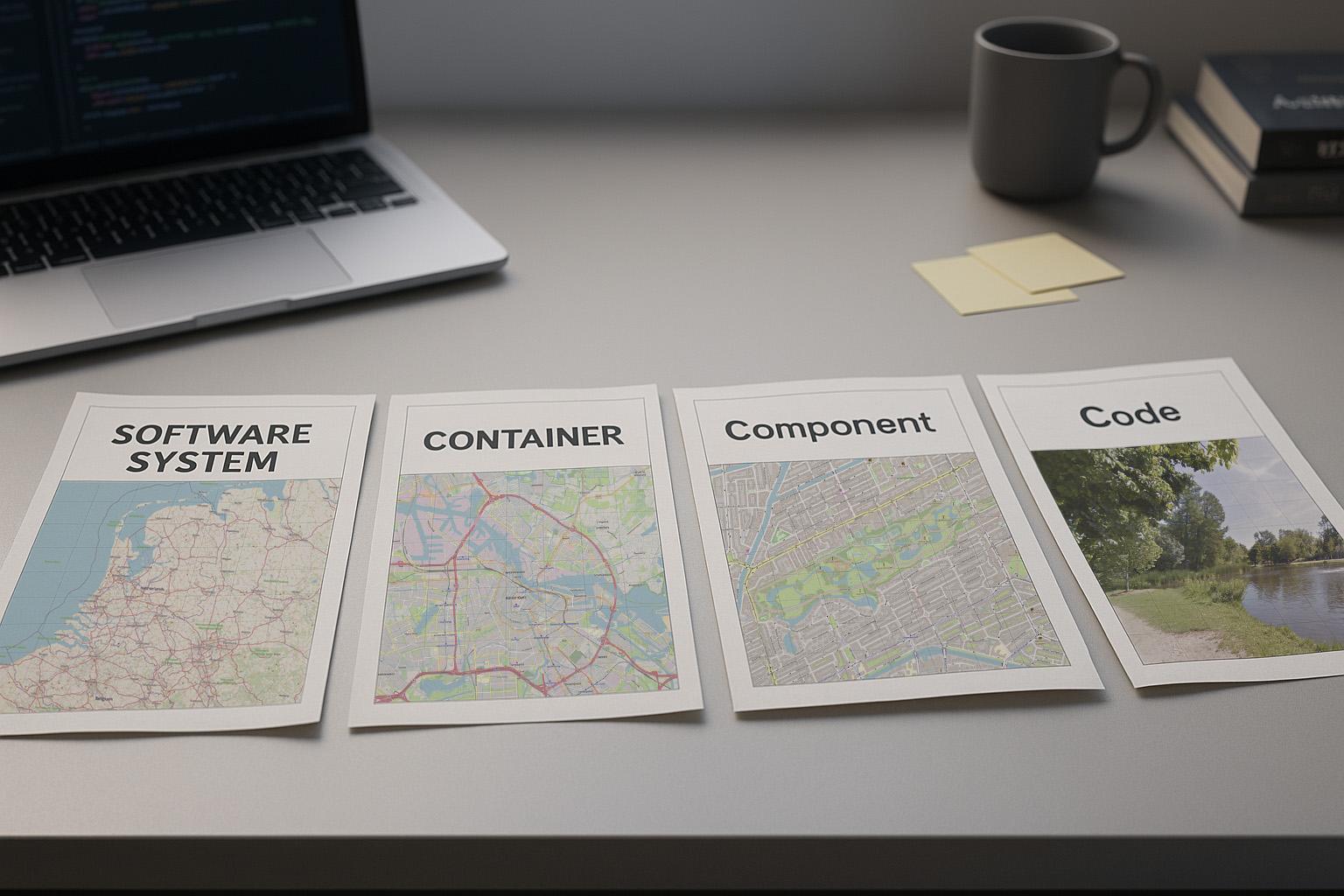
C4 Model: Architecture Maps That Actually Help
The C4 model gives architecture diagrams four levels of zoom, from context down to code. Here is what each level shows and who actually needs to see it.
7 min read
Page 5 of 6
The C4 model gives architecture diagrams four levels of zoom, from context down to code. Here is what each level shows and who actually needs to see it.
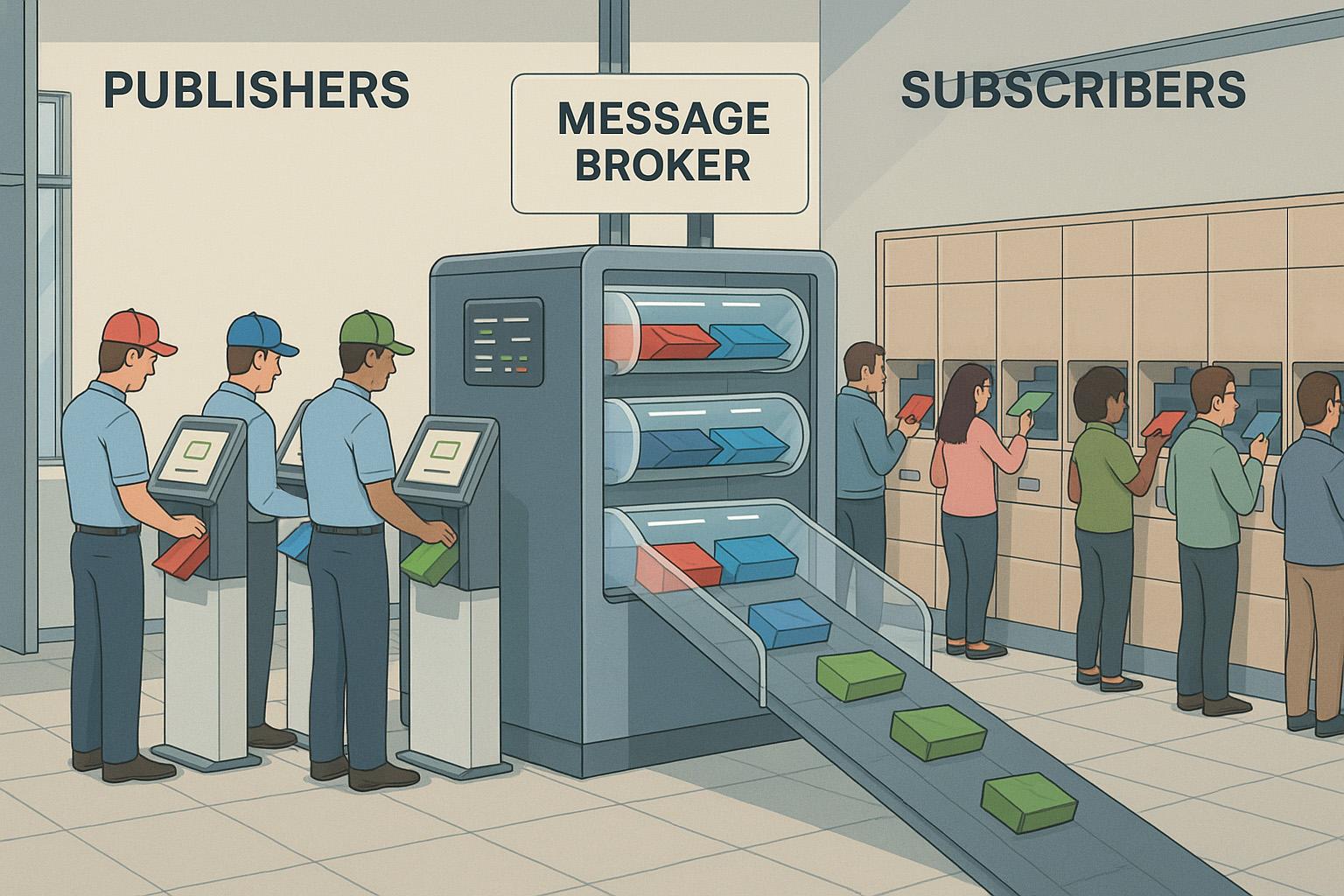
Pub-sub architecture lets systems react to the same event without knowing each other. The benefits, when to use it, and lessons from a retail loyalty platform.

Health endpoints tell you in one request whether a service is alive, its dependencies are reachable, and it can take traffic. How to build ones you can trust.
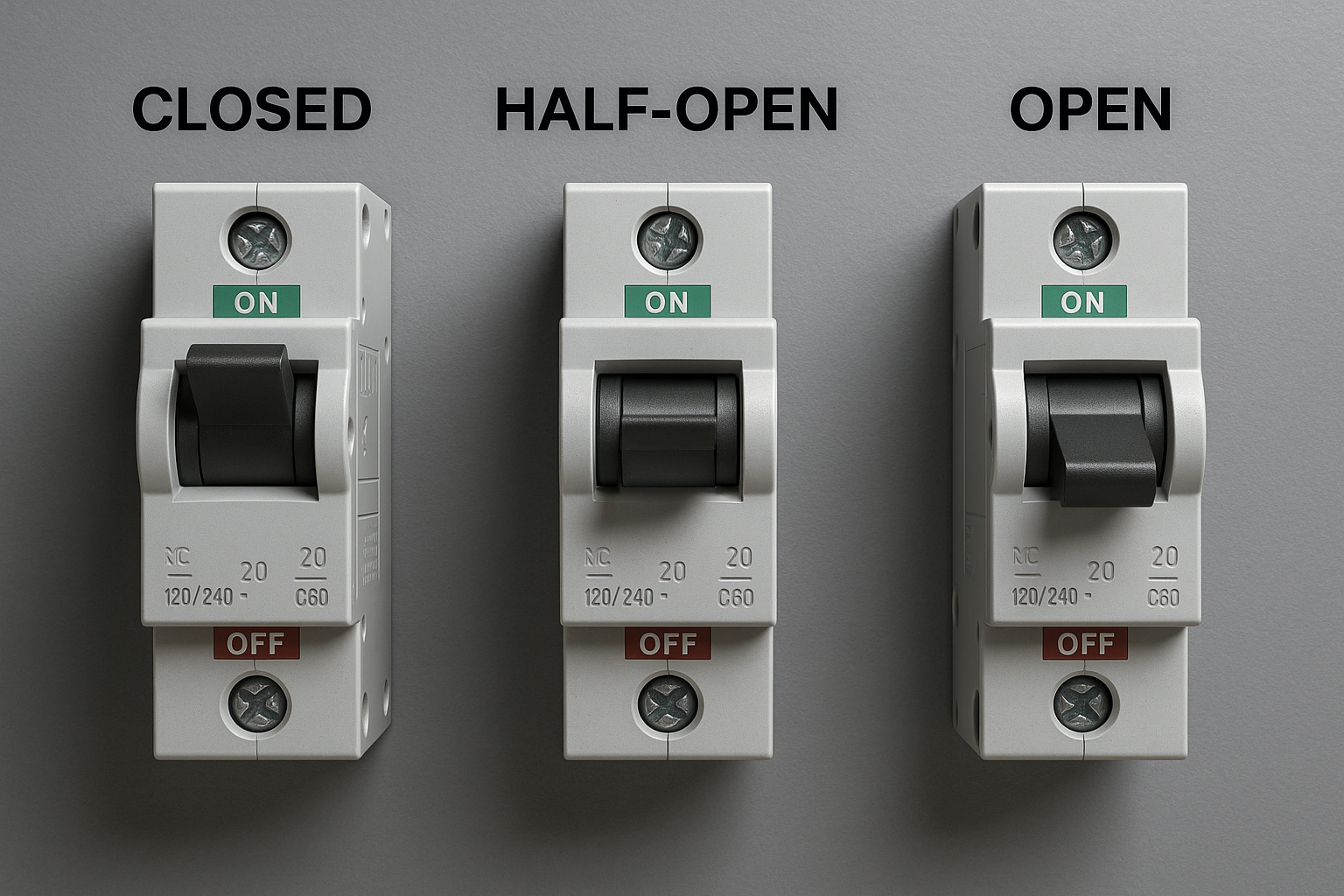
The circuit breaker pattern stops one failing dependency from turning into a retry storm that takes down your platform. A real payment outage, fixed with Polly.
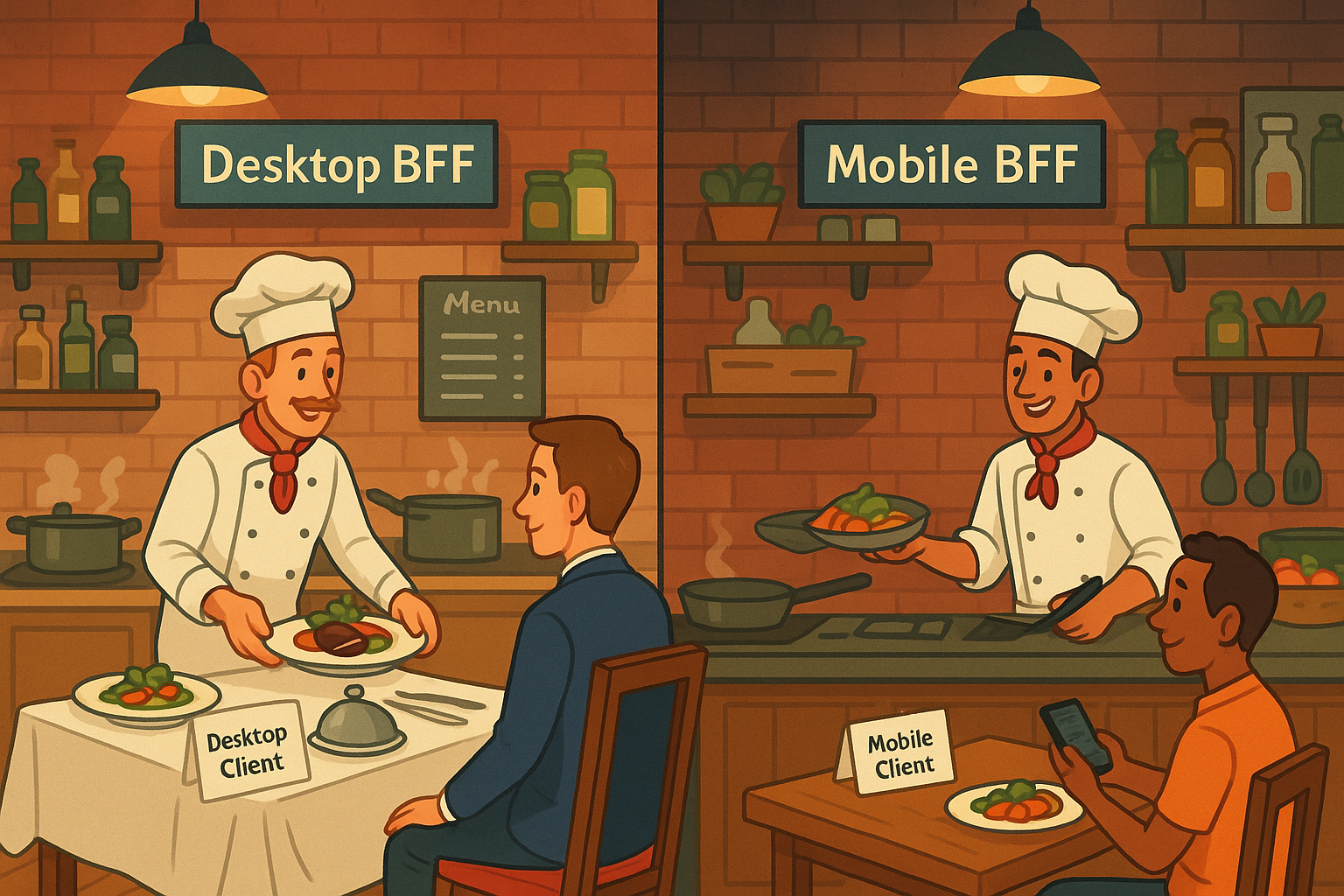
The BFF pattern gives each frontend its own backend, so mobile, web and TV stop fighting over one shared API. When to use it, and when it is just overhead.

The strangler fig pattern replaces a legacy system piece by piece behind a facade, so you avoid a risky full rewrite. Lessons from replacing a 15-year-old CRM.

The ambassador pattern puts a sidecar proxy in front of the APIs your service calls, so retries, timeouts and logging leave your service code. Shown with Envoy.
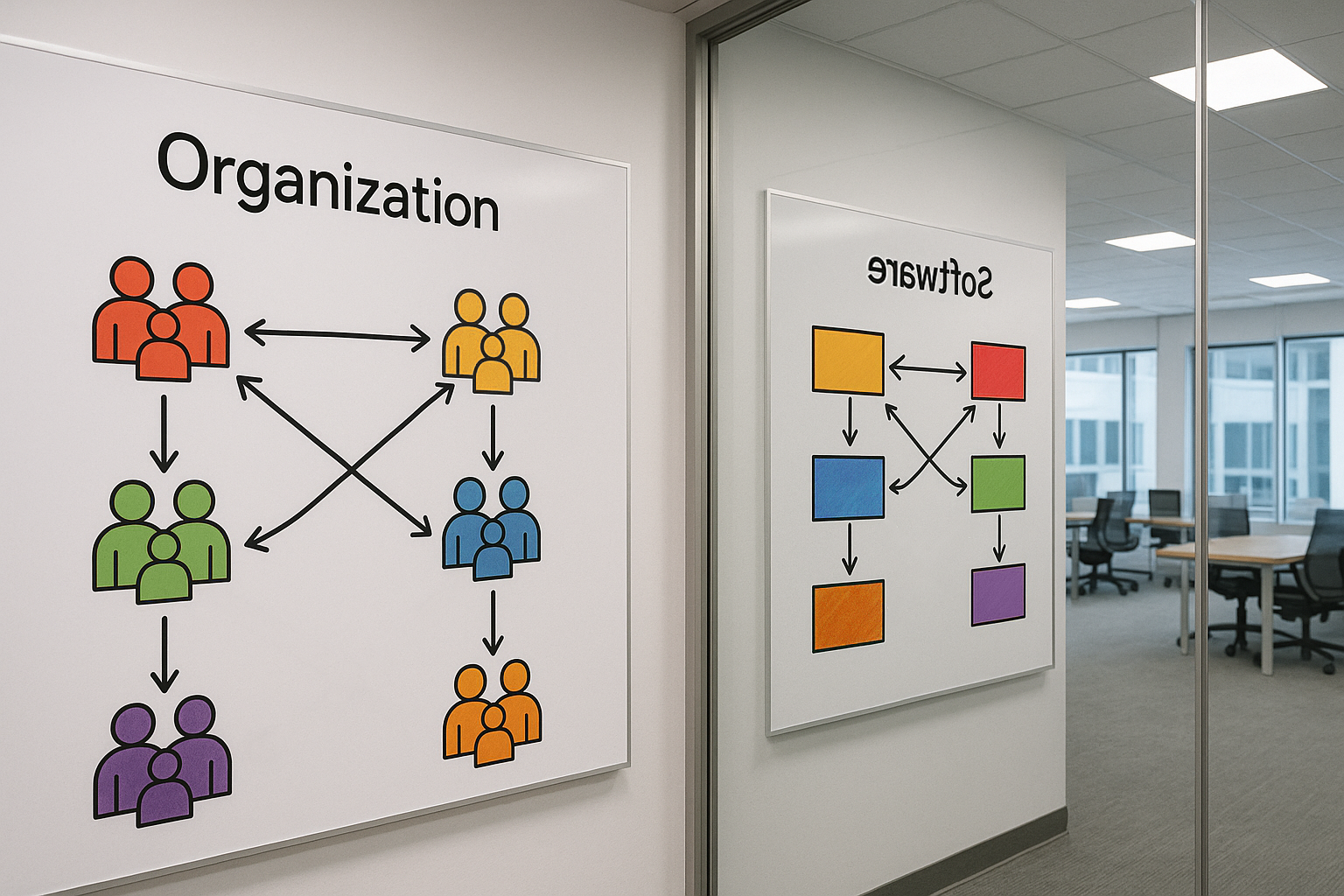
Conway's Law means you ship your org chart. Why it still shapes your microservices, and how the inverse Conway manoeuvre lets you design teams and code as one.

Architecture fitness functions turn qualities like latency, security, and modularity into automated checks that catch drift in CI/CD before it hits production.