
ResilienceDevOps
Chaos Engineering: Break Things on Purpose With Chaos Mesh
Chaos engineering means breaking systems on purpose to test failure predictions. Here is a real Chaos Mesh walkthrough on a local kind cluster.
14 min read
Building resilient and fault-tolerant systems
Chaos engineering means breaking systems on purpose to test failure predictions. Here is a real Chaos Mesh walkthrough on a local kind cluster.
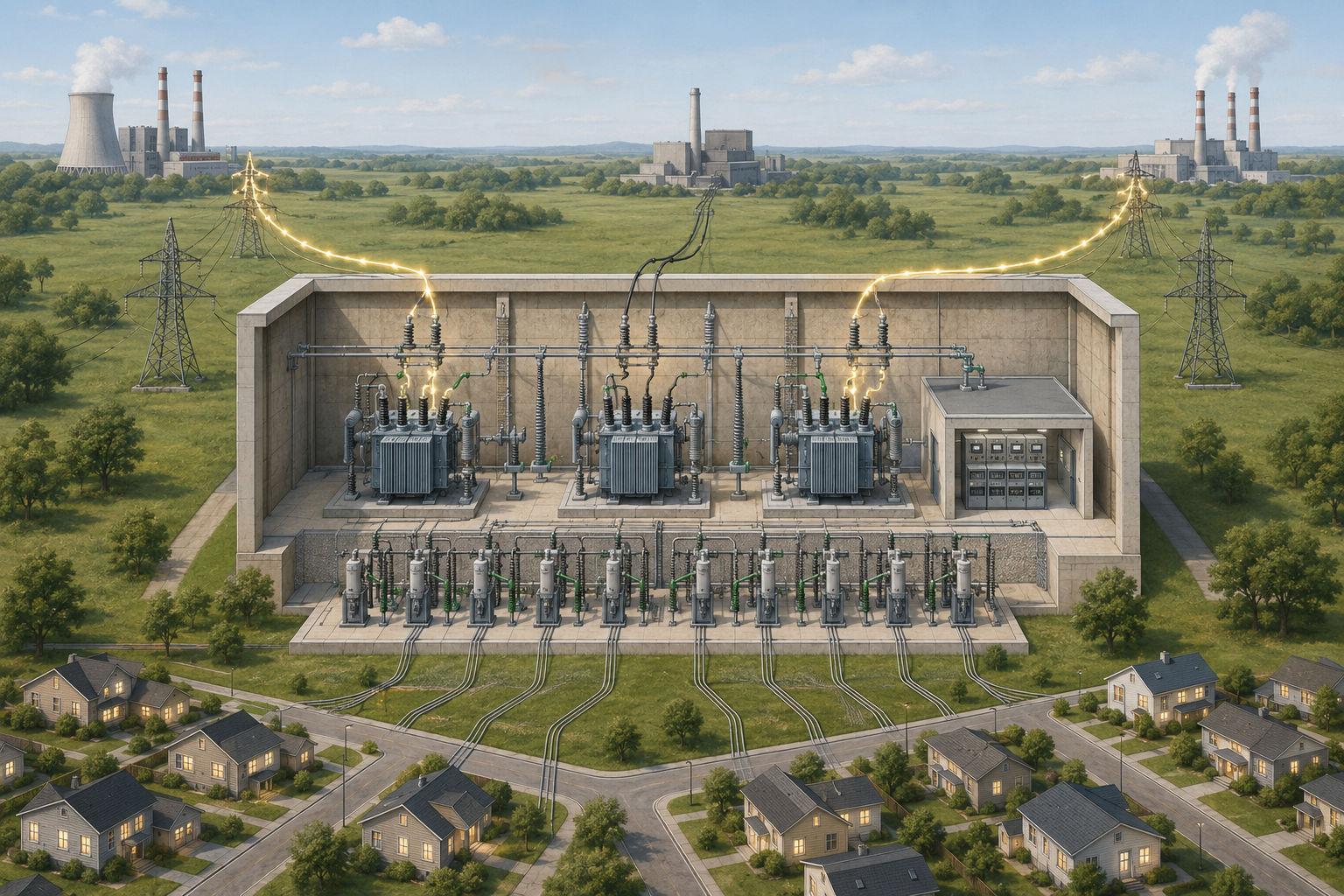
An AI gateway centralizes routing, budgets, and credentials for LLM traffic, but it also becomes a critical-path dependency with its own outage risk.

I watched one misconfigured service take down an entire platform because everything shared the same resource pools. Here is the bulkhead pattern that prevents it, with a working .NET 8 demo you can run locally in minutes.

Picture this. Your team just rolled out a new payments service into production. It’s late Friday night. Everything looks fine at first glance, but suddenly transactions stop flowing. You open the logs and dashboards, but nothing obvious shows up. Was it the database? The service? The network? You don’t know yet. This is where a health endpoint could have been your first line of defense. Instead of digging through half a dozen monitoring tools, you could hit a simple /health URL and instantly know if the service was alive, if its dependencies were reachable, and if it was fit to serve requests.
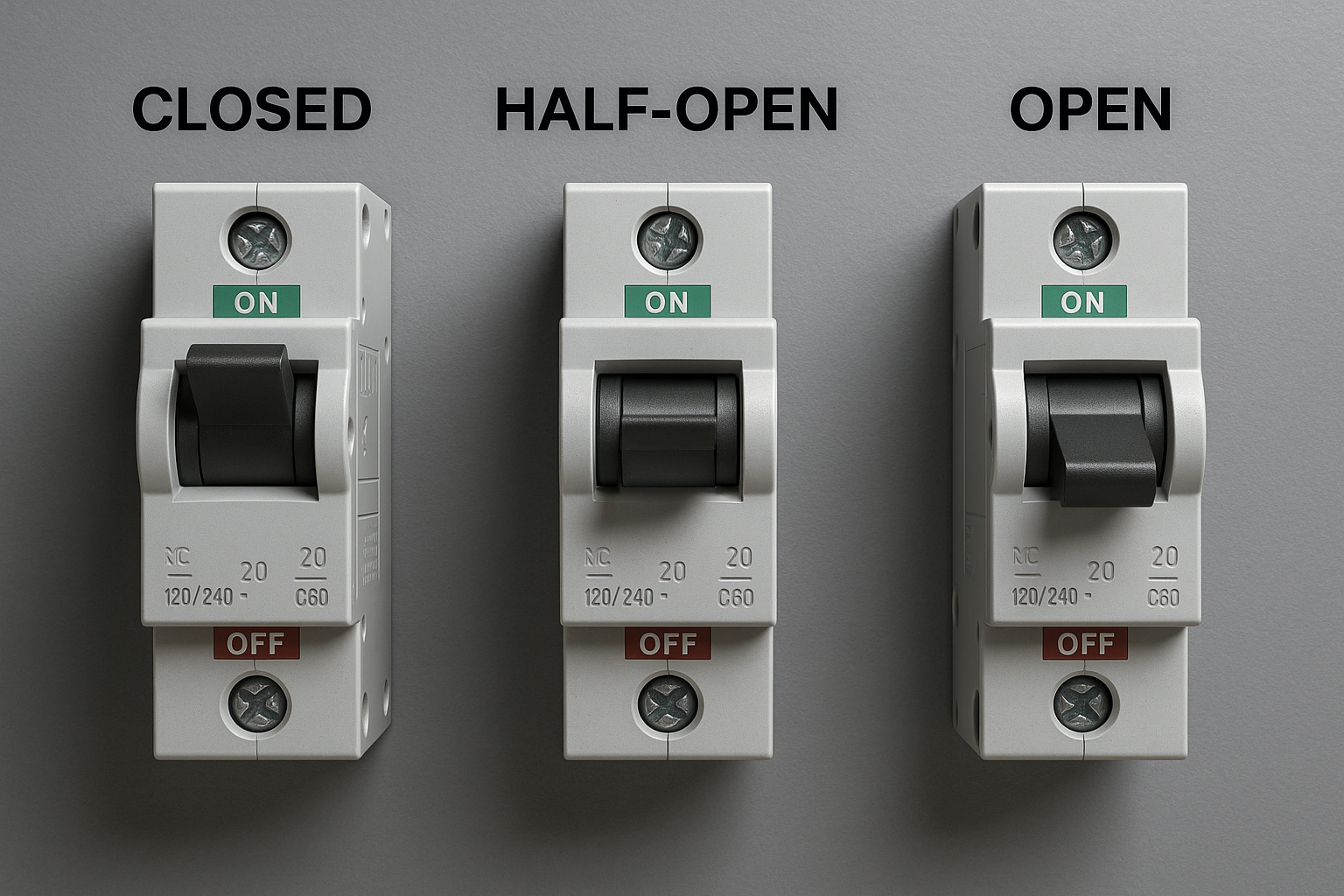
It was just past midnight when my phone buzzed. Again. "Payment service failure. Error rate: 96%. Retry storm detected.". I was leading the architecture team of a retail tech platform with millions of daily users. We were in the middle of our summer sales campaign, traffic was peaking, and all eyes were on system stability. A minor hiccup with a third-party payment gateway had escalated into a full-blown meltdown. Shopping carts froze. Transactions stalled. The user experience team was already fielding complaints on Twitter. The root cause? Not the gateway itself, but our system’s reaction to it. We had built something fast and feature-rich, but not fault-tolerant. That night, I learned a hard but transformative lesson about the Circuit Breaker pattern.

A solution architect at a mid-sized fintech startup was wrapping up a Friday afternoon design review when an alert came in. The customer onboarding API was intermittently failing. Not enough to trigger a full incident, but enough to raise eyebrows in the compliance team. At the root of the problem? A background verification callout to a third-party KYC (Know Your Customer) service. When that service hiccupped, the onboarding flow stalled. And because it was a synchronous call in a tightly coupled microservice, retries weren’t consistent. Worse, the core service logs showed nothing. The failures were silent.