Eventual Consistency in DDD: Measure the Window with Sagas
Eventual consistency in DDD works when the inconsistency window is a business number. Build a .NET saga with outbox and idempotent consumers, then alert on it.
Common architectural and software design patterns

Eventual consistency in DDD works when the inconsistency window is a business number. Build a .NET saga with outbox and idempotent consumers, then alert on it.

Mutation testing breaks your code on purpose to find tests that verify nothing, turning test quality into a number you can measure. Hands-on with Stryker.NET.

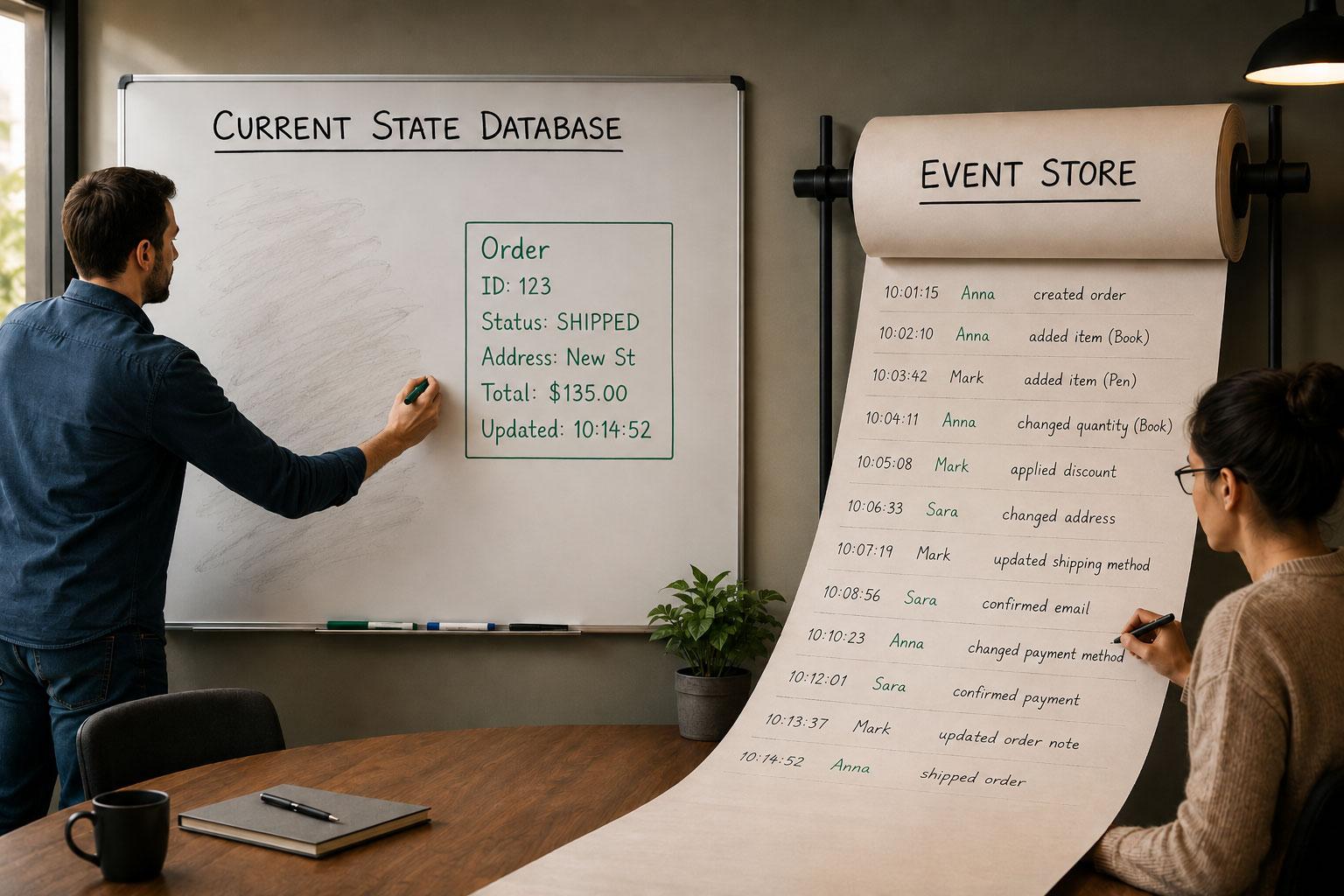
Event Sourcing stores every state change as an immutable event, so your database keeps the full history. When to use it, and a working C# implementation.

The bulkhead pattern isolates resource pools so one failing service cannot take down the rest of your platform. With a working .NET 8 demo you can run locally.

Spec-driven development makes the spec the source of truth before any code is written. The four pillars, a Claude Code walkthrough, and where it falls short.

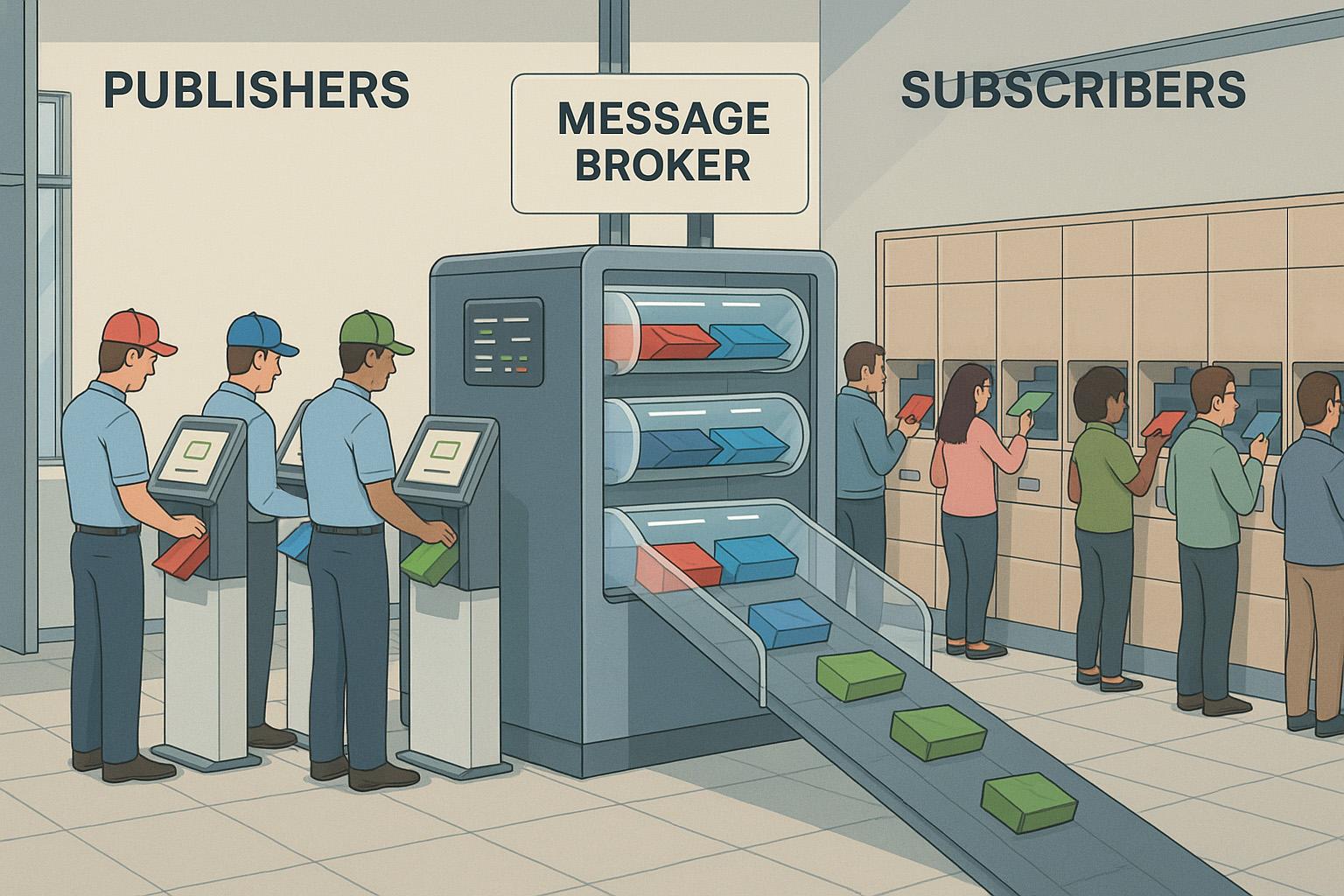
Pub-sub architecture lets systems react to the same event without knowing each other. The benefits, when to use it, and lessons from a retail loyalty platform.

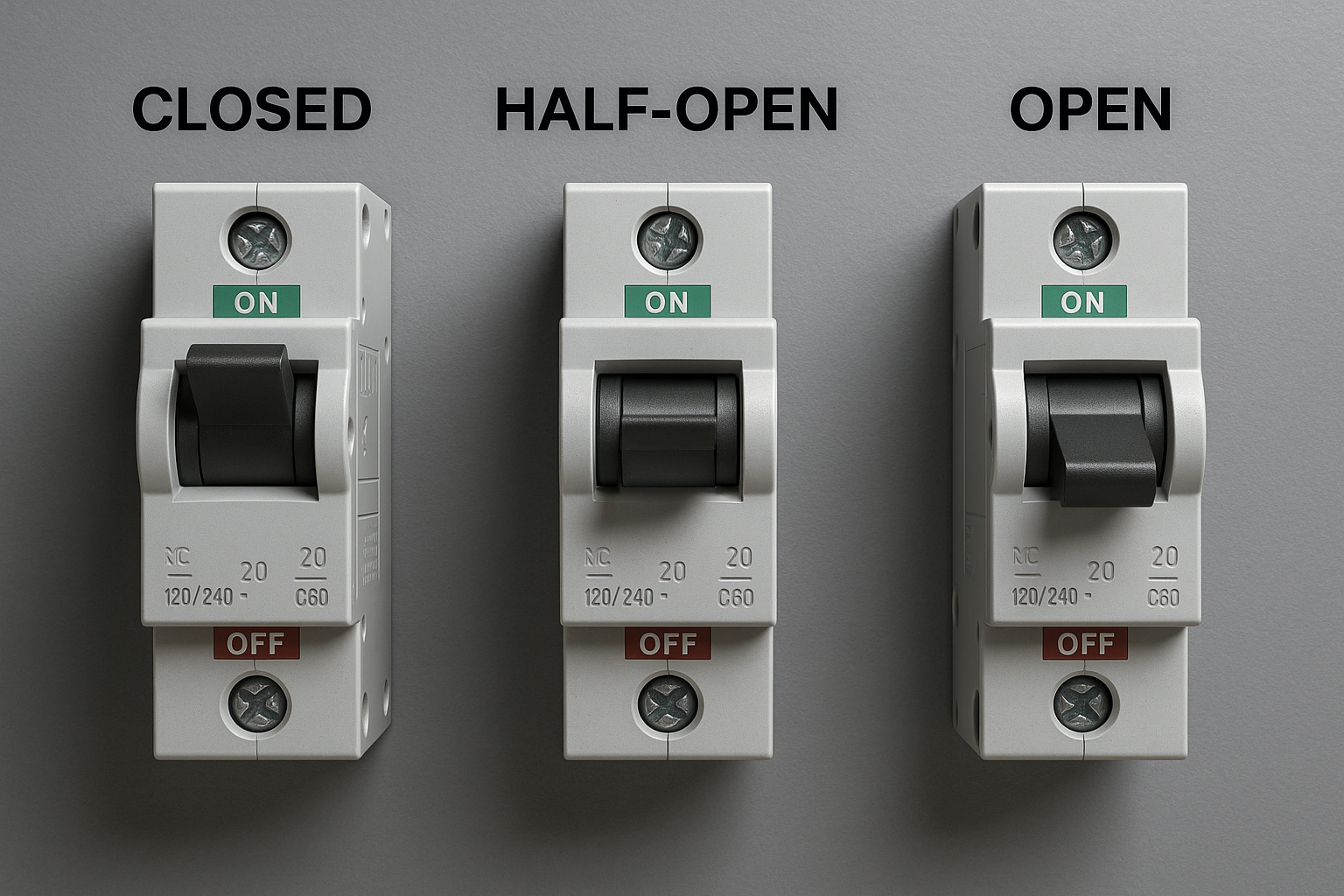
The circuit breaker pattern stops one failing dependency from turning into a retry storm that takes down your platform. A real payment outage, fixed with Polly.

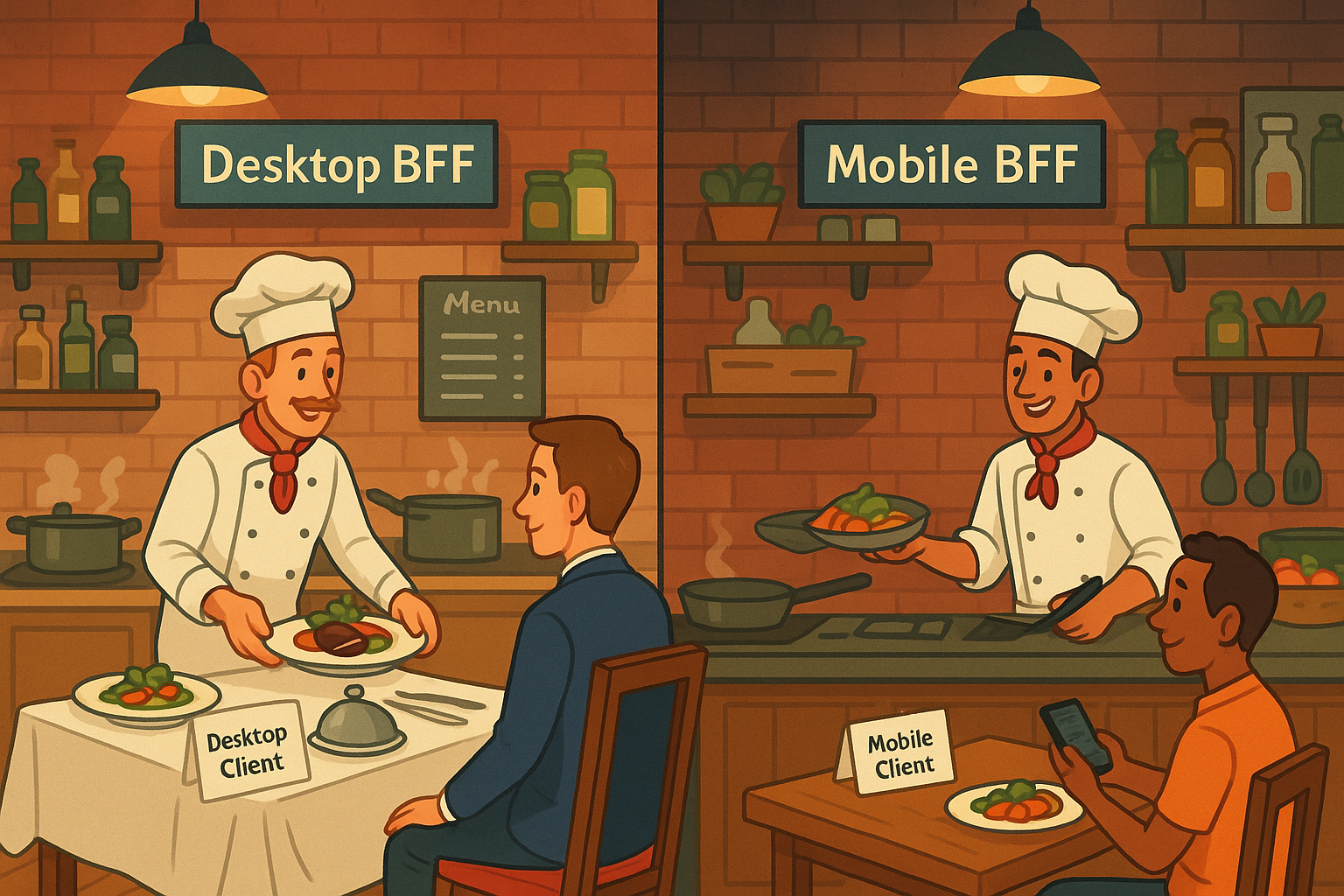
The BFF pattern gives each frontend its own backend, so mobile, web and TV stop fighting over one shared API. When to use it, and when it is just overhead.

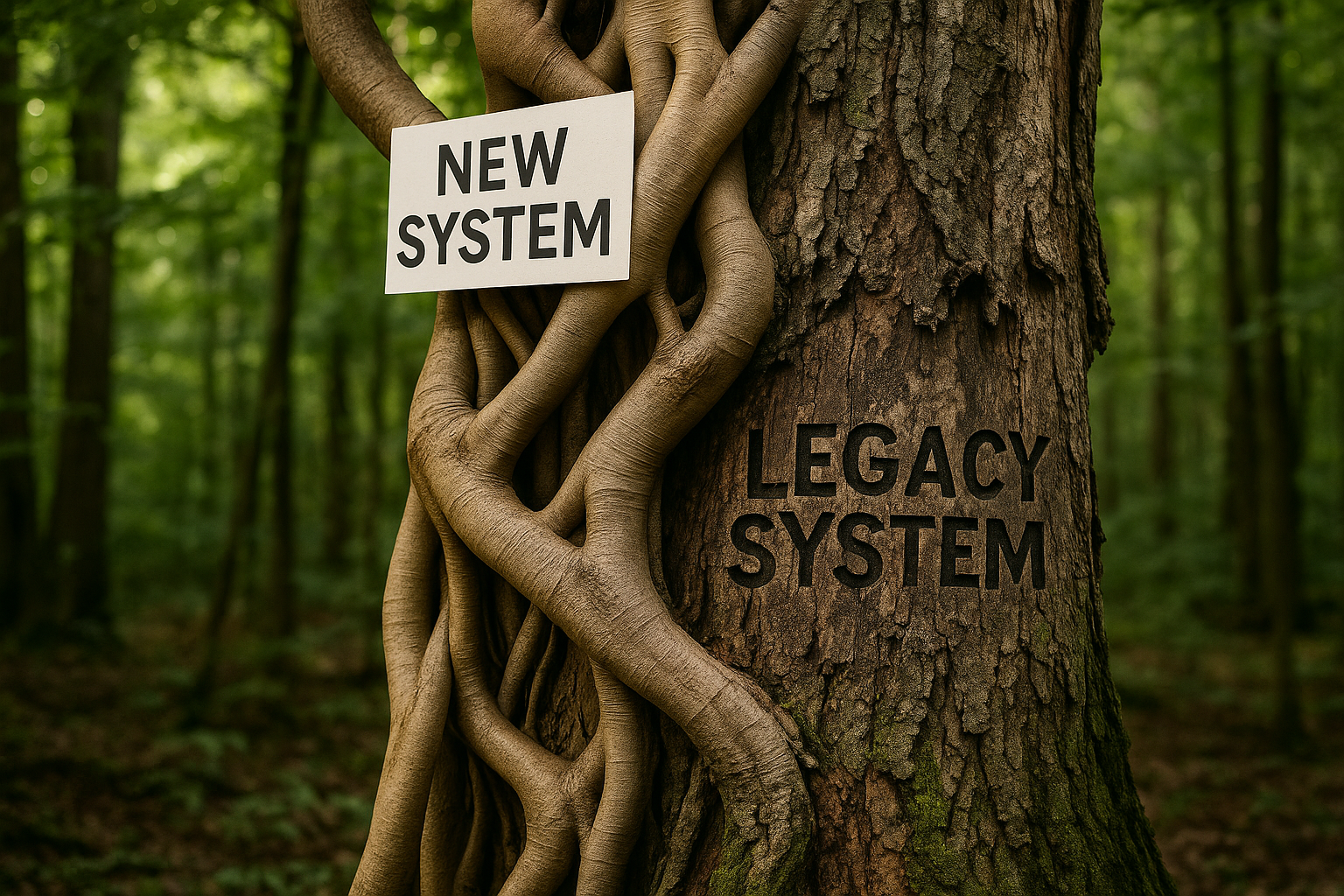
The strangler fig pattern replaces a legacy system piece by piece behind a facade, so you avoid a risky full rewrite. Lessons from replacing a 15-year-old CRM.

The ambassador pattern puts a sidecar proxy in front of the APIs your service calls, so retries, timeouts and logging leave your service code. Shown with Envoy.