The Gentle Art of Strangling Legacy Systems Without Breaking Everything
It started with a phone call late on a Thursday.
"We’re bleeding money on support. Customers are churning. And that monolith is held together with duct tape and prayer. Can you help?"
As a solution architect, this is the moment the real work begins. The system in question was a 15-year-old CRM built in a now-defunct framework, with business logic buried so deep even the original developers would need breadcrumbs to find their way back. But a full rewrite was off the table. Too risky, too slow. They needed a change that was incremental, controlled, and safe. That’s when we reached for a proven technique: the Strangler Fig Pattern.
What Is the Strangler Fig Pattern?
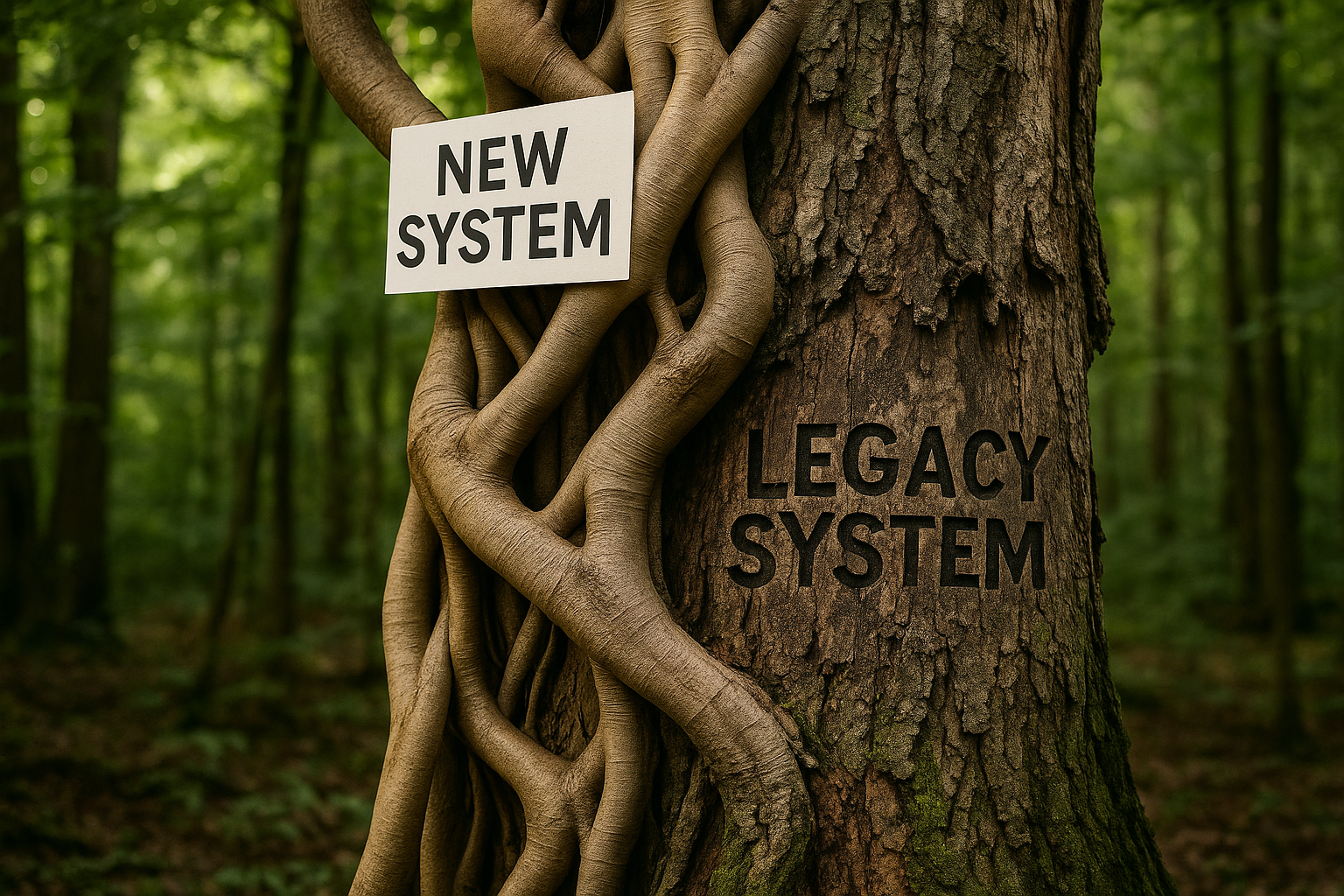
Inspired by the way a strangler fig tree slowly envelops and replaces its host, this architectural pattern lets you modernize legacy systems piece by piece. Instead of a big-bang rewrite, new functionality is developed in a modern architecture and gradually replaces the old system until the legacy code is "strangled" out of existence.
In the first stage, a facade, often implemented as an API gateway, is introduced between the client application and the legacy system. This acts as a new single entry point, allowing you to redirect specific requests to either the old system or any new services you begin to develop. As the second stage unfolds, more functionality is incrementally shifted from the legacy backend to newly implemented services, with the facade seamlessly orchestrating traffic between the two. By the final stage, all the legacy components have been replaced, the new system is fully operational, and the facade is no longer needed and can be safely removed. This progressive approach ensures business continuity while minimizing risk throughout the modernization journey.
The Strangler Fig Pattern succeeds because it mitigates risk, accelerates ROI, supports test-driven migration, and helps teams adopt modern technologies without disrupting delivery. But like all good architecture patterns, the devil is in the implementation, where theory meets legacy spaghetti, tight deadlines, and unpredictable edge cases.
Applying the Pattern in Practice
Here’s how we rolled it out in practice, step by step, under production constraints, and with a focus on minimizing business disruption.
1. Identify the seams
We started by mapping user journeys and business capabilities in close collaboration with business stakeholders and developers. This helped us find functional seams in the monolith: discrete, self-contained domains like customer search, billing, or case management that could be peeled away with minimal cross-dependency. These became our prioritized candidates for incremental extraction.
2. Insert a façade or API gateway
To intercept requests and dynamically route them to either the legacy system or the newly developed services, we implemented an API Gateway. This gateway became the central routing brain of our transitional architecture. It provided critical features such as:
- Routing logic to allow the coexistence of legacy and new services in a hybrid environment
- Security enforcement through standardized OAuth2 protocols and throttling rules
- Monitoring and observability via metrics collection and request tracing for diagnostic confidence
3. Build new functionality around the edge
Rather than diving into the mission-critical billing engine from day one, we opted for safer, peripheral domains to begin the transformation. Starting with customer preferences and profile management gave us fast feedback loops and early delivery wins. These lower-risk areas also served as ideal sandboxes to validate integration patterns and ensure the API gateway was functioning correctly.
4. Monitor, mirror, then switch
When working with high-stakes functionality, such as account management or order fulfillment, we mirrored production traffic to both the legacy and modernized services. This shadow deployment (akin to a canary release) allowed us to compare behavioral and performance metrics side-by-side. Once we observed consistent results and stakeholder confidence was high, we rerouted live traffic entirely to the new service.
5. Sunset old components
As new functionality stabilized in production and legacy usage dropped to zero, we began systematically decommissioning the old modules. This not only reduced infrastructure and licensing costs but also eliminated operational complexity and freed teams to focus on further modernization work.
Strangle With Purpose
The Strangler Fig Pattern is an architectural mindset about navigating complexity with precision rather than brute force. It respects the reality of enterprise systems: constrained budgets, evolving teams, and systems that can’t afford downtime. This approach teaches us that transformation doesn’t have to be explosive to be effective. By embracing gradualism, we architect for stability, learn iteratively, and deliver business value early and often. We give teams the space to modernize safely, refactor with intent, and validate assumptions before scaling change.
Most importantly, it reminds us that good architecture isn’t just about building new systems but about creating sustainable pathways out of the old ones. The facade becomes our bridge. Each replaced component becomes a step forward. And each decommissioned legacy module is a small, strategic victory. So the next time you’re facing a legacy beast, remember: you don’t have to kill it in one blow. You can strangle it, strategically, deliberately, and with long-term purpose.
Share this article
Related articles

Mutation Testing: Your Tests Are Lying and Math Can Prove It
A high coverage number can hide tests that never verify real behavior, tests that run every line without checking whether the logic is actually correct. Mutation testing exposes those gaps by deliberately breaking your code and checking whether any test notices, turning test quality into a number you can measure instead of assume.
Event Sourcing: A History Lesson Your Database Actually Wants
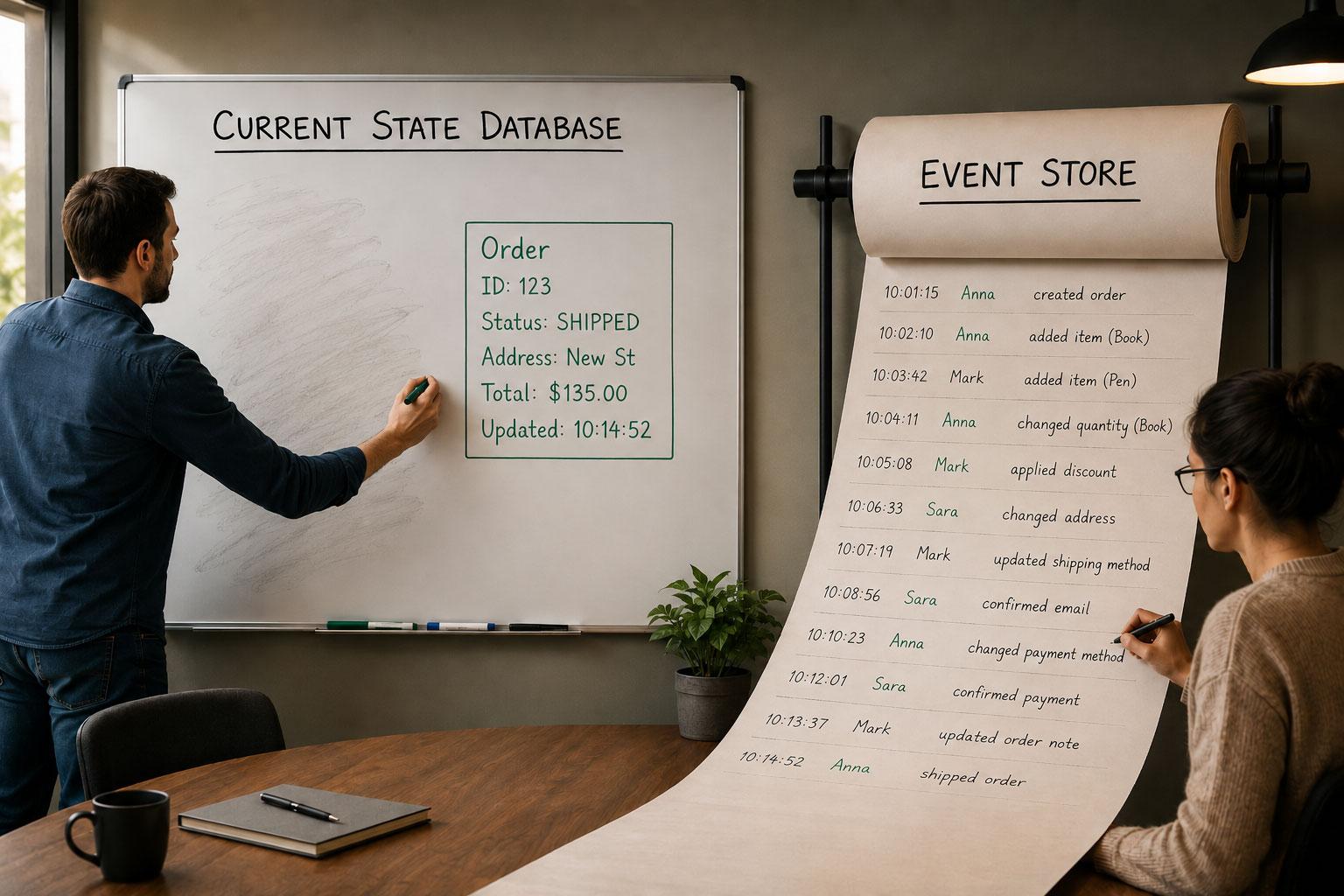
Auditors, regulators, and legal teams keep asking the same question: who changed what, and when? This article explains how Event Sourcing answers it by storing every state change as an immutable event, and walks through a working C# implementation you can run on your own workstation.
Bulkheads: Because One Sinking Service Shouldn't Sink Them All
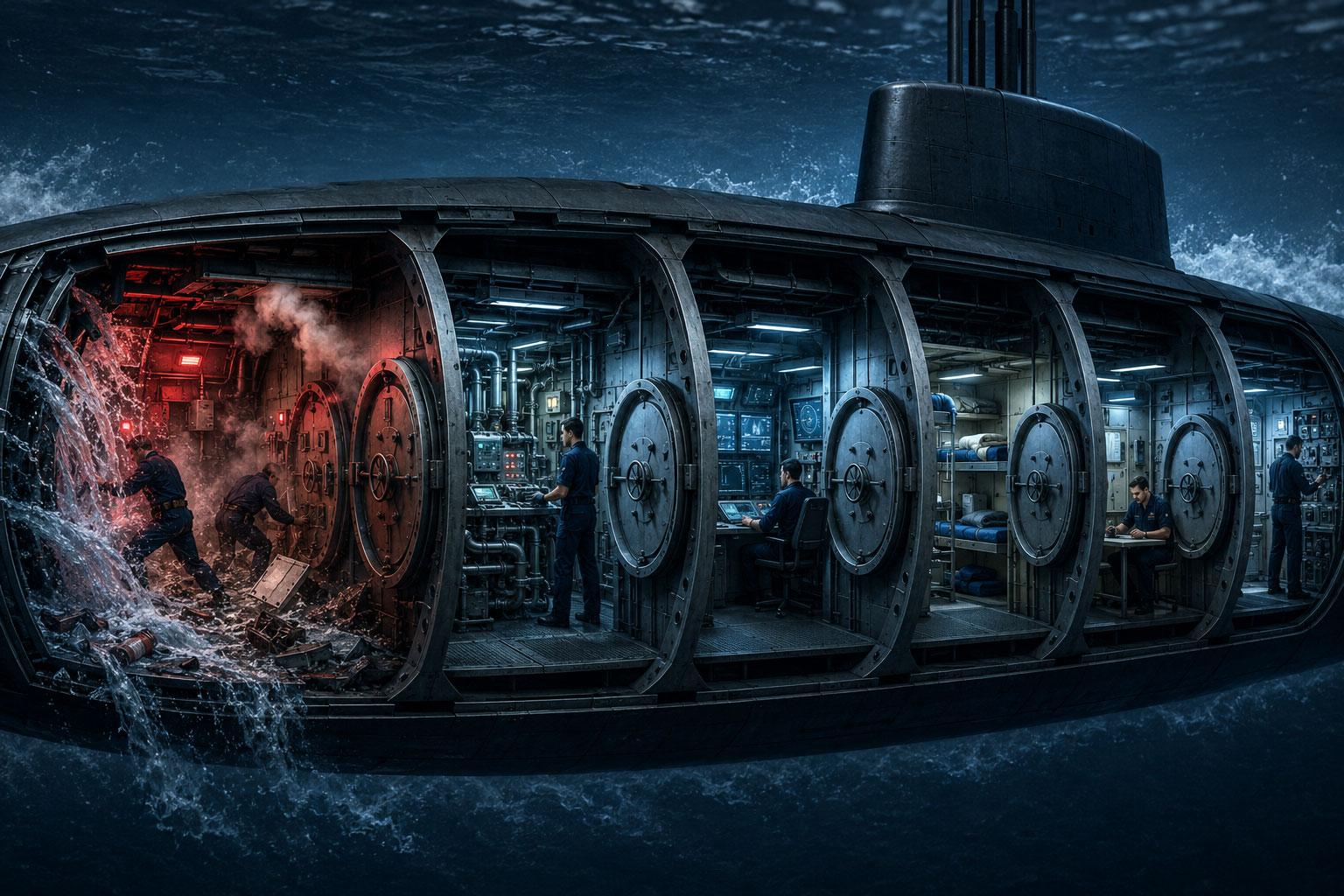
I watched one misconfigured service take down an entire platform because everything shared the same resource pools. Here is the bulkhead pattern that prevents it, with a working .NET 8 demo you can run locally in minutes.
Enjoyed this article?
Subscribe to get more insights delivered to your inbox monthly
Subscribe to Newsletter